 Teotihuacan Pyramids Tours
What Are the 4 Mesoamerican Civilizations?
The four Mesoamerican civilizations most often named are the Olmec, the Maya, the Zapotec and the Aztec. There is no official list of four, so many courses swap in Teotihuacan, the Toltec or the Mixtec, and the question what are the 4 Mesoamerican civilizations has a different answer in each textbook. This page gives the common list with dates, shows where Teotihuacan fits, answers who came first between the Maya, Aztecs and Inca, and ends with how to visit one of these worlds from Mexico City.
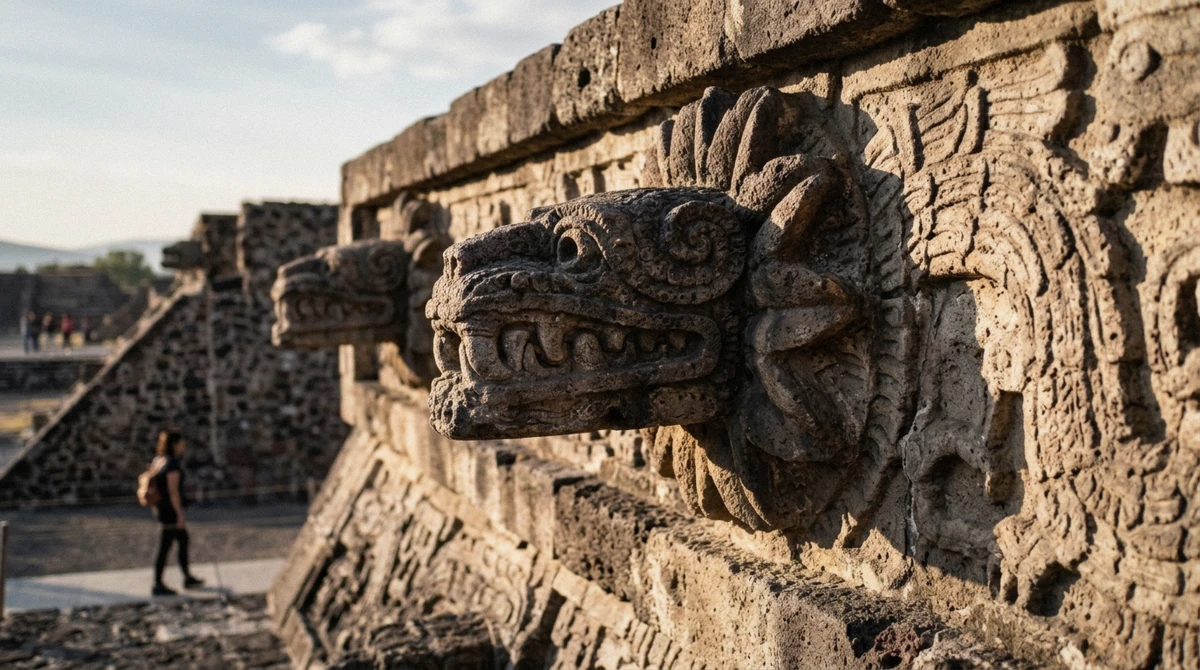
Quick answer
The four civilizations most often listed are the Olmec (about 1200 to 400 BCE), the Maya (Classic period 200 to 900 CE), the Zapotec and the Aztec (1325 to 1521 CE). Teotihuacan, the Toltec and the Mixtec are the usual swap-ins, and the Inca are not Mesoamerican at all.
Key takeaways
- The Olmec came first, from about 1200 BCE, and the Aztec came last, in the 1300s and 1400s CE
- Teotihuacan is the missing fifth name in many lists: its dates and why it matters
- The Inca lived in the Andes and are not Mesoamerican, as the Inca section explains
- Mexico City sits on top of the Aztec capital and 50 km from Teotihuacan, so one trip can cover both eras
- A first-time visit to Teotihuacan costs about $11 for entry: full cost page
See Mesoamerican Sites on a Mexico City Trip
These tours put real Mesoamerican ruins within reach of a Mexico City base. The first adds an Aztec site to Teotihuacan.
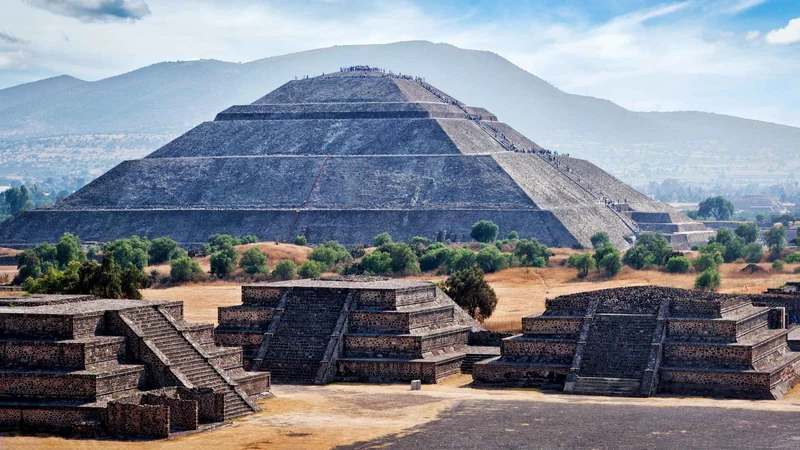
Tlatelolco, Basilica of Guadalupe & Teotihuacan Full-Day Tour
The broadest single-day history tour on this list: Aztec Tlatelolco (including the 1968 massacre site), the world's second-most-visited Catholic pilgrimage site at Guadalupe, and the Teotihuacan Pyramids. Guide quality is the standout metric at 4.9/5 across 266 reviews, and the 10:00 AM departure swaps the restaurant buffet for earth-oven barbacoa with pulque, tequila, and artisanal spirit tastings. The honest trade-off, noted in GetYourGuide's own review summary: some travelers ask for less time at shopping and lunch and more time at Teotihuacan — pick a dedicated pyramids tour if the site itself is your priority. Lunch is only included if selected with your departure time.
- Cancellation
- Free cancellation, full refund
- Operator
- None stated
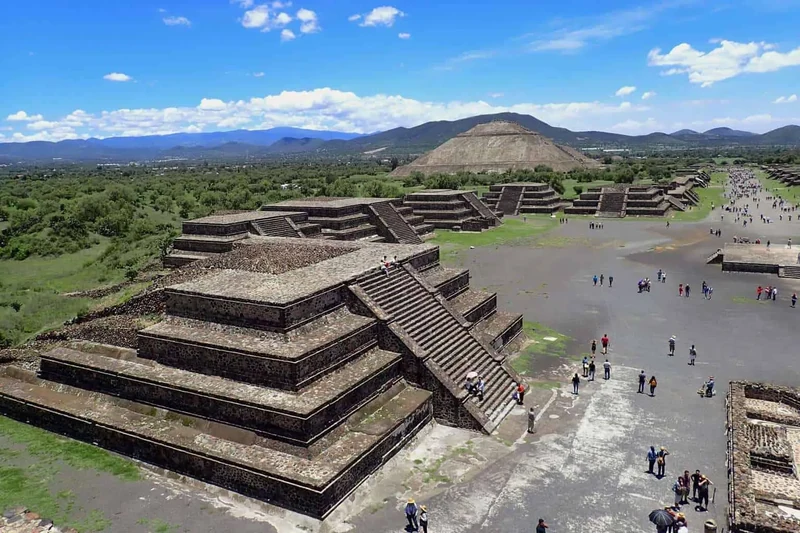
Teotihuacan No-Commercial-Stops Tour with Certified Guides
For history-first travelers: Experiencias Mexicanas strips out every commission-earning stop that standard group tours include, spending the time at the pyramids instead — about 3 hours on site plus a Pemex restroom stop en route. All guides are certified in archaeology and history, and the tour ran even for a single booked participant. One honest caveat from a review: water is not provided and sunscreen isn't flagged in advance — bring both, or you'll buy them at inflated prices at the site.
- Cancellation
- Free cancellation, full refund
- Operator
- Experiencias Mexicanas
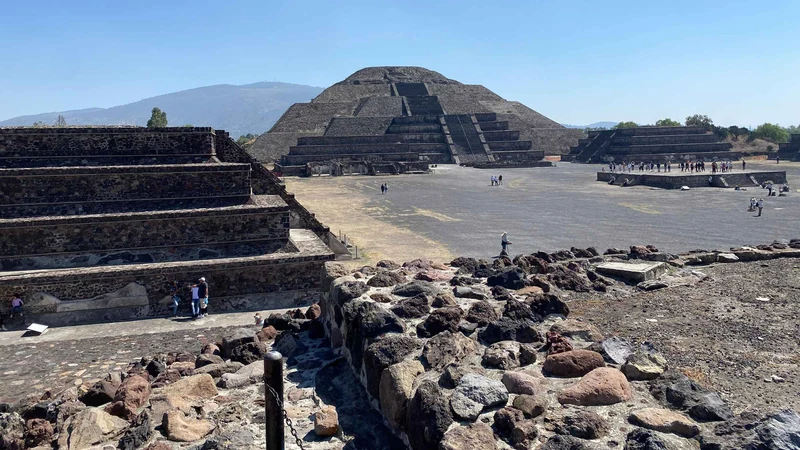
Private Teotihuacan Tour with Historian Hector (5 Hours, SUV Pickup)
This is the pyramids-only option for people who want depth without the 8–11 hour day: Hector, a historian versed in Nahuatl language and Teotihuacan cosmology, drives you in a private SUV, covers five structures including the often-skipped Pyramid of the Feathered Serpent and Palace of Quetzalpapalotl, and has you back at your hotel by about 12:10 PM. It scores a perfect 5.0 across all 10 reviews. Be aware it is not suitable for children under 15, pregnant women, or travelers with back, heart, or mobility problems — and no food or beverages are included. Hotels outside the standard pickup areas need to send a full address before booking.
- Cancellation
- Free cancellation, full refund
- Operator
- Hector (private historian guide)
What Are the 4 Mesoamerican Civilizations?
The usual four, and the three that swap in
Mesoamerica is the cultural region that stretches from central Mexico into Central America, and its peoples shared traits such as stepped temple pyramids. The four civilizations that appear in most school lists are the Olmec, the Maya, the Zapotec and the Aztec. They are chosen for two reasons: each left large monuments and each covers a different region and era.
Other lists replace one of the four. Teotihuacan was the biggest city of the Americas for centuries, the Toltec centred on Tula and the Mixtec dominated Oaxaca after the Zapotec. A short list always leaves out something, which is why the table below carries seven.
The four, with Teotihuacan, Toltec and Mixtec for reference
Date ranges come from the chronology in the Mesoamerica article and the civilization pages cited below the table. Dates of early periods are scholarly estimates and differ by a few centuries between authors.
| Civilization | Region | Main period | Known for |
|---|---|---|---|
| Olmec | Gulf Coast: Veracruz and Tabasco | About 1200 to 400 BCE | Colossal basalt heads, San Lorenzo and La Venta |
| Maya | Yucatan, Guatemala, Belize, Chiapas | Classic period 200 to 900 CE, with Preclassic roots | Stone cities and hieroglyphic inscriptions |
| Zapotec | Oaxaca valleys | Apogee in the Early Classic, 200 to 600 CE | Monte Alban, a Late Preclassic centre |
| Aztec (Mexica) | Basin of Mexico | 1200 to 1521 CE, capital founded 1325 | Tenochtitlan, the Triple Alliance empire |
| Teotihuacan | Valley of Teotihuacan | Founded about 100 BCE, peak about 350 to 550 CE | Avenue of the Dead, pyramids of the Sun and Moon |
| Toltec | Tula, central Mexico | Early Postclassic, 900 to 1200 CE | Capital at Tula |
| Mixtec | Oaxaca | Early Postclassic, within 900 to 1519 CE | Dominant in Oaxaca after the Zapotec |
Who Came First, the Maya, the Aztecs or the Incas?
The Maya, then the Aztecs and Incas around the same time
The Maya came first. Maya society was developing by the Middle and Late Preclassic, long before 200 CE, and the Classic period of the great stone cities runs from 200 to 900 CE. The Olmec are older still, and the Aztecs and Incas are the youngest of the three by a wide margin.
The Aztecs and Incas were contemporaries. The Mexica entered the Basin of Mexico around 1250 and founded Tenochtitlan in 1325. The Aztec Empire formed in 1428 and fell on 13 August 1521. The Inca civilization emerged in the Peruvian highlands in the early 13th century and its great expansion began in 1438 under Pachacuti. The Spanish captured the Inca ruler Atahualpa in 1532 and executed him in 1533. The Classic Maya period had ended about four centuries before the Aztec capital was founded.
A timeline from the Olmec to the Spanish
Dates are approximate and chosen to show the order, not to settle scholarly debates.
| When | What happened | Civilization |
|---|---|---|
| About 1200 to 400 BCE | Olmec centres at San Lorenzo and La Venta flourish | Olmec |
| About 100 BCE | Teotihuacan is founded | Teotihuacan |
| 200 to 900 CE | Classic Maya period | Maya |
| About 350 to 550 CE | Teotihuacan's peak, then its main monuments burn about 550 | Teotihuacan |
| 900 to 1200 CE | Toltec rule from Tula | Toltec |
| 1325 | Tenochtitlan is founded | Aztec |
| 1428 | Triple Alliance forms the Aztec Empire | Aztec |
| 1438 to 1533 | Inca expansion and conquest by Spain | Inca |
| 1521 | Fall of the Aztec Empire | Aztec |
Are the Inca Mesoamerican?
No, the Inca were an Andean civilization
The Inca ruled western South America from about 1438 to 1533 from Cusco in Peru, and they are not part of Mesoamerica. Mesoamerica covers central and southern Mexico and parts of Central America. Calling the Inca Mesoamerican is the most common mistake behind questions like this one.
The Inca did build monumental stone architecture and a road network of their own, called the Qhapaq Nan. They used knotted strings called quipu for records, had no writing system and no wheel, and their official language was Quechua. The Aztec spoke Nahuatl, and Maya rulers recorded events in hieroglyphic inscriptions such as Tikal's Stela 31.
Where Does Teotihuacan Fit Among the Four?
The city that came before the Aztecs
Teotihuacan was not a fifth civilization in the textbook sense, because we do not know what its people called themselves or what language they spoke. The builders are unknown, and INAH says the name the inhabitants used is lost. The city was founded around 100 BCE, peaked about 350 to 550 CE and held more than 100,000 people at its height.
National Geographic quotes archaeologist George Cowgill calling it the largest city anywhere in the Western Hemisphere before the 1400s. The Aztecs found it empty, called it Teotihuacan, a Nahuatl word that INAH translates as "place where the gods were made", and treated it as sacred. Is Teotihuacan Aztec or Mayan? goes through that question.
What each of the four means for a visit to Mexico City
A short table to point at the sites reachable from the capital. Distances come from the National Geographic figure for Teotihuacan and the tour listings.
| Civilization | Where to see it from Mexico City | Practical notes |
|---|---|---|
| Aztec | Tlatelolco, inside the city, as the first stop of the three-site full-day tour | Aztec platforms next to a 16th-century church |
| Teotihuacan | Fewer than 50 km north, the pyramids and the Avenue of the Dead | Entry 210 MXN, open from 8:00 AM |
| Olmec, Maya, Zapotec | Gulf Coast, Yucatan and Oaxaca, far from the capital | Not a day trip from Mexico City |
How Do Historians Divide Mesoamerican Time?
Preclassic, Classic and Postclassic
Textbooks date these civilizations with three big periods, so it helps to know them. The Preclassic runs from about 2000 BCE to 250 CE and is split into Early, Middle and Late. The Classic follows, with an Early phase from 200 to 600 CE and a Late phase from 600 to 900 CE. The Postclassic runs from 900 CE to the Spanish arrival in 1519.
Each of the four civilizations peaks in a different slot. The Olmec belong to the Early and Middle Preclassic, the Maya Classic cities to 200 to 900 CE, the Zapotec apogee to the Early Classic, and the Aztec to the Late Postclassic. Teotihuacan sits across the Late Preclassic and the Early Classic.
Periods and who dominates each
The chart uses the chronology in the Mesoamerica article. Boundaries shift by a century or two depending on the author.
| Period | Dates | Who is associated with it |
|---|---|---|
| Early Preclassic | 2000 to 1000 BCE | Early villages, Olmec beginnings |
| Middle Preclassic | 1000 to 400 BCE | Olmec at La Venta |
| Late Preclassic | 400 BCE to 200 CE | Maya development, Monte Alban, Teotihuacan founded |
| Early Classic | 200 to 600 CE | Teotihuacan peak, Zapotec apogee, early Classic Maya |
| Late Classic | 600 to 900 CE | Classic Maya cities |
| Postclassic | 900 to 1519 CE | Toltec at Tula, Mixtec, then the Aztec |
What Happened to the Mesoamerican Civilizations?
The Spanish arrived in 1519
The Mesoamerican Postclassic ends with the Spanish conquest. The conquest of the Aztecs took place between 1519 and 1521, and the empire fell on 13 August 1521. The Inca fell separately, in the Andes, after Francisco Pizarro captured Atahualpa in 1532 and executed him in 1533. The last Inca resistance state was defeated in 1572.
That sequence is why the Aztec past in Mexico City survives in fragments such as Tlatelolco, where Aztec platforms stand beside a 16th-century Spanish church. Teotihuacan, abandoned long before 1519, lies outside the city and still shows its original layout.
What Did the Mesoamerican Civilizations Have in Common?
Stepped pyramids and shared ritual
Mesoamerican pyramids were usually stepped, with a temple on top, and they are closer to Mesopotamian ziggurats than to Egyptian pyramids. That form shows up from the Olmec of La Venta, whose Great Pyramid was the largest Mesoamerican structure of its time, to Teotihuacan and the Maya.
The Olmec also left colossal basalt heads, seventeen known, carved from rock hauled from the Tuxtlas mountains. The largest weigh an estimated 25 to 55 tonnes. Scholars now generally read them as portraits of rulers.
The mother culture debate
In 1942 Alfonso Caso called the Olmec the mother culture of Mesoamerica. Radiocarbon dating later confirmed their antiquity, but whether the Olmec were the source of other cultures is still open. Older sites such as San Jose Mogote, an early Zapotec site dated to about 1500 to 500 BCE, suggest other societies developed similar traits on their own.
How to Visit a Mesoamerican Site From Mexico City
Teotihuacan is the day trip
Teotihuacan is fewer than 50 km from Mexico City and is the only one of these great sites you can see and return in a morning. General entry is 210 MXN, about $11 at 19 pesos to the dollar, and Mexican nationals and residents pay 105 MXN. The site opens at 8:00 AM, and the cost and hours are laid out on the cost page. For the DIY route, the no-tour guide covers the metro and bus.
If your question comes from a school unit or a trip plan, a guide matters. A guide turns the layout into the story of the city, and the tours below suit different needs. The Teotihuacan pyramid tours compared on this site cover the range, and the no-commercial-stops tour is built around time at the ruins rather than shopping stops.
Tours by what you want to learn
Prices are the operators' listed figures per person, except the private tour, which prices the vehicle for the group.
| Option | Best for | Duration | From |
|---|---|---|---|
| Tlatelolco, Guadalupe and Teotihuacan | An Aztec site and Teotihuacan in one day | 9 hours | $71 |
| Private historian tour | Questions about cosmology and the builders | 5 hours | $135 |
| No-commercial-stops tour | Certified guides and about three hours at the ruins | 6 hours | $36.88 |
| Early-access small group | On site at 8 to 9 AM, before the coaches | 8 hours | $68 |
Questions About Mesoamerican Civilizations
What are the main Mesoamerican civilizations?
The usual list is the Olmec, Maya, Zapotec and Aztec, with Teotihuacan, the Toltec and the Mixtec as common additions. Teotihuacan was the largest city of the Americas for centuries and is the easiest to visit from Mexico City, for example on the early-access tour.
Which Mesoamerican civilization was the oldest?
The Olmec, flourishing from about 1200 BCE on the Gulf Coast, are usually called the oldest major civilization. Whether they were the mother culture of the others is still debated.
Were the Aztecs and the Maya the same people?
No. The Maya lived in the southern lowlands and the Yucatan from before 200 CE, while the Aztecs were a Nahuatl-speaking people who reached central Mexico around 1250 CE and founded Tenochtitlan in 1325.
Is Teotihuacan Aztec?
No. Teotihuacan was founded around 100 BCE and abandoned long before the Aztecs came. The Aztecs gave it its name. See Is Teotihuacan Aztec or Mayan?.
Who came first, the Maya or the Aztecs?
The Maya, by well over a thousand years. The Classic Maya period begins around 200 CE and the Aztec capital was founded in 1325.
Which Mesoamerican site is closest to Mexico City?
Teotihuacan, fewer than 50 km north. The Aztec capital itself lay where central Mexico City stands today, and the Aztec site at Tlatelolco is a stop on the three-site full-day tour.